
Shift work in regional schedules is often seen as a reasonable trade-off amid the pressures of long-haul driving and the long-term benefits of local driving stability. It is a general expectation of the drivers that they will have to stay on the route for a longer time, hence the distance will be shorter, and they will get better empathetic time. But contrary to expectations, the majority of the serious mistakes that drivers make, and which directly affect shift work, characterize regional operations, where the disguised irregular work pattern causes sleep quality and energy balance to go down in the short and long term.
These irregular work patterns are one of the earliest indicators of emerging shift work health risks.
Regional schedules tend to be more complex than long-haul roles due to the frequent adjustment of shifts, early morning, late finishes, and inconsistent sleep windows. This situation intervenes with the circadian rhythm, creating a form of chronic fatigue that is hard to realize and does not hit all at once.

Instead, performance decreases, decision speeds slow down, and healing becomes insufficient.
Such work schedule issues often remain unnoticed until performance and worker wellness are already compromised.
Keeping aware of what regional shift scheduling mismanagements are is the initial step to progress in shift worker performance and protection of health.
This awareness is a foundational element of effective shift work management.
SAFE-T Part 1: Sleep, Alertness and Fatigue Education for Truckers
Common Regional Shift Scheduling Stressors and Their Impact
| Scheduling Factor | Immediate Effect | Long-Term Consequence |
| Irregular start times | Fragmented sleep | Chronic fatigue buildup |
| Rotating shifts | Circadian rhythm disruption | Declining recovery capacity |
| Late caffeine intake | Delayed sleep onset | Reduced sleep quality |
| Poor meal timing | Energy crashes | Metabolic strain |
| Inconsistent rest days | Incomplete recovery | Accumulated performance loss |
Mistake #1: Viewing Sleep as Flexible Instead of Fixed

In regional shift work, the assumption about sleep being just a simply dealt unit is one of the most common schedule mistakes. It has to be said that a bus driver considers sleeping enough “when possible” a sufficient remedy for getting up early or going home late. This method does not take into account the chronic sleep problems that are caused by the misalignment of the body clock.
Sleep disruption is one of the most persistent outcomes of these schedule errors.
Sleep is not an indifferent activity. It is rather a circadian-rhythm-regulated biological process. The deeper, healing stages are often avoided if the brain often changing the timing off the sleep in a week. Based on the appearance of the total number of sleeping hours, sleep time could sometimes be seen as sufficient; however, fragmented or mistimed sleep actually decreases recovery.
Improving sleep hygiene is essential for restoring long-term recovery under regional schedules.
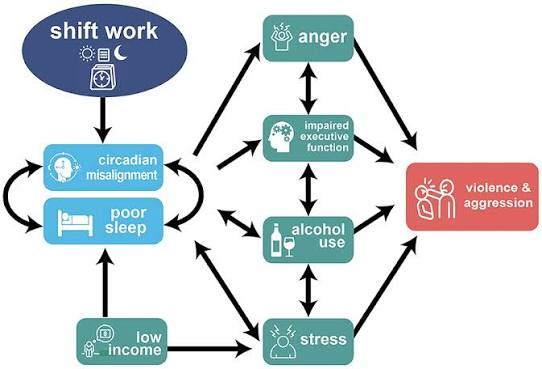
Cyclic schedules that change starting times further exacerbate this issue. A driver may start one week at 5 in the morning and run the next week at night. The body, therefore, does not adjust. Therefore, it is vital to manage sleep and shift fatigue as a fixed anchor instead of a variable. This approach reframes fatigue control as managing shift fatigue proactively rather than reacting to exhaustion.
This represents one of the most overlooked common shift errors.
The first step for drivers who want to reduce fatigue under regional schedules is to follow proper sleeping hygiene, which means ensuring a regular and sufficient sleep period by the drivers, if possible, even on days off. Failure to do this may lead to fatigue being the base, not the exception.
Mistake #2: Caffeine Overdependence as the Main Energy Strategy
Caffeine and its effects in relation to shift work are often misunderstood, although its use is widespread. Many drivers depend on this substance to tackle demanding early morning or night shifts but mistakenly view it as a substitute for easily crumbling sleep. The actuality is that the consumption of high doses of caffeine can lead to broken sleep and an even greater degree of drowsiness.
These caffeine patterns often interact directly with sleep disruption and long-term shift work health.
Caffeine does not increase energy. It just makes people less aware of fatigue by blocking adenosine receptors in the brain.
After the caffeine effects fade, the fatigue intensity increases more than usual. As a result, drivers consume more caffeine or take it closer to their rest periods, thus causing further sleep onset delays.
In the context of caffeine in regional shift scheduling, timing is the key factor. Taking caffeine later in the shift can disturb sleep later, even when the driver feels exhausted.
Managing caffeine intake is a core element of effective shift scheduling tips.
Good energy management treats caffeine as a tool instead of a crutch. Always beginning the shift with caffeine and the subsequent reduction of caffeine intake can balance sleeping patterns and increase worker wellness.
How to Deal With OTR Truck Driver Fatigue (Preventative Methods, Last-Minute Tips to Stay Awake)
Mistake #3: Ignoring Nutrition Timing During Shifts

The provision of the proper diet for shift employees is usually presented in terms of choosing the right food but the timing is just as important. A good deal of the drivers in the region eat mainly due to convenience rather than biological needs.
Nutrition for shift workers must account for both food quality and timing. This principle is central to effective nutrition for shift workers under irregular regional schedules.
Night shifts where the driver eats a large meal of high-fat foods become an extra burden on the digestive system, which is less operative during the night. As a result, drivers suffer from lethargy, gastrointestinal discomfort, and reduced sleep quality.
Poor workplace nutrition intensifies fatigue and recovery issues.
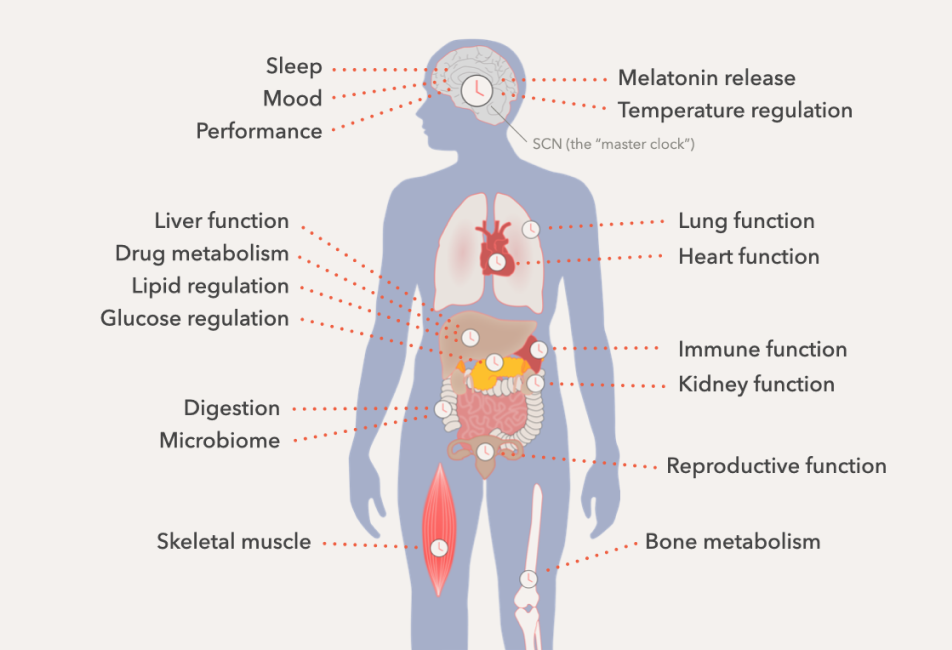
Neglecting adequate meals during long shifts can result in energy deficit disorders, irritability, and lack of focus. On-the-job nutrition should focus on sustainability rather than short energy spikes.
These nutrition-based schedule errors compound over time.
Early Warning Signs of Accumulating Shift Fatigue
- Persistent difficulty falling asleep after shifts
- Increasing reliance on caffeine to stay alert
- Reduced concentration and slower decision-making
- Gastrointestinal discomfort during night shifts
- Feeling “rested” only briefly, even after days off
Mistake #4: Accepting Rotating Shifts Without Recovery Planning
Shifts in operations frequently appear in regional lingo besides seasonal fluctuations. While this rotation may seem operationally beneficial, it exacts a hidden cost in worker health.
Rotating shifts are one of the most challenging patterns for circadian stability.
Frequent rotation impairs the circadian cycle. Without transition buffers, fatigue accumulates and performance deteriorates.
Overcoming shift challenges requires intentional recovery planning.
Mistake #5: The Failure to Address the Long-Term Health Gains/Losses
The results of working shifts are not typically felt immediately. Chronic sleep deprivation, irregular nutrition, and continuous tension gradually become drivers of health decline.
This delayed impact is why shift work health risks are often underestimated.
The health of workers is a function of cumulative habits, not isolated decisions.
Worker wellness depends on addressing long-term patterns, not short-term endurance.
Mistake #6: Identifying Adaptation With Endurance
Endurance-based thinking encourages drivers to push through fatigue instead of correcting systemic problems.
This mindset reinforces common shift errors rather than solving them.
Adaptation aligns behavior with biology. Endurance ignores limits until breakdown occurs.
True shift work management prioritizes recovery over toughness.
Recovery Anchors vs. Fatigue Drivers in Regional Shift Work
| Category | Fatigue Driver | Recovery Anchor |
| Sleep | Variable sleep windows | Fixed sleep timing |
| Nutrition | Heavy night meals | Structured night shift diet |
| Stimulation | Continuous caffeine use | Controlled caffeine timing |
| Scheduling | Frequent rotation | Buffered transitions |
| Mindset | Endurance-based coping | Recovery-focused adaptation |
How to Improve Regional Shift Scheduling Outcomes
The approach to optimizing regional schedules is not eliminating flexibility, but reducing unnecessary variability and protecting recovery fundamentals.
These adjustments form practical shift scheduling tips applicable across regional operations.
Foundational Practices That Support Sustainable Regional Schedules
- Treat sleep timing as fixed, not flexible
- Align nutrition intake with biological readiness
- Reduce late-shift stimulant consumption
- Build recovery buffers around rotating shifts
- Normalize fatigue awareness instead of ignoring it
The Role of Awareness in Shift Work Management
Many work schedule issues persist because fatigue is normalized.
Awareness is a primary tool for overcoming shift challenges.
Education improves decision-making and long-term performance sustainability.
Final Thoughts: Small Errors, Large Consequences
Regional shift work often hides its risks behind routine. Sleep disruption, nutrition mistakes, rotating shifts, and recovery neglect quietly erode performance and health.
Addressing these issues early protects worker wellness and operational stability.
Improving shift worker performance is not only a health initiative but a long-term operational strategy.
Failures in regional operating, generally, do not arise due to one large problematic. Instead, such things are formed quietly through repeated, minor, shift work mistakes which seem to be harmless individually but have a cumulative effect over time. Sleeping problems, uncontrolled caffeine consumption and eating irregular patterns gradually erode resilience, attention, and physical recuperation.
Performance sustainability in regional schedules requires treating recovery as a system, not a reaction. Proper sleep hygiene is the starting point, while nutritional planning for shift workers helps to promote steady energy rather than energy spikes and crashes. In particular, a well-structured night shift diet causes less metabolic stress and increases alertness during the night without affecting the post-shift rest.
Keep Up Your Sleep, Caffeine, and Nutrition with the Help of Regional Schedules
1. Why do drivers often misinterpret their fatigue as they are more fatigued than they really are with regional schedules?
Regional schedules typically have a combination of random starting times, switching shifts, and no fixed sleeping schedule. These schedules disrupt the natural rhythm of the body and lead to cumulative fatigue, even though it may not be obvious from the distances or the route lengths.
2. Is caffeine a long-term solution for the issue of shift fatigue?
Not really. Caffeine is only a temporary solution and it doesn’t recharge your energy levels; it merely hides the tiredness. For most, caffeine not only makes it harder to sleep but also makes it take longer to recover from shift work; it has long-term health risks as well.
3. What is the role of nutrition timing in the case of regional shift workers?
Nutrition timing is just as important as the food quality. Eating large meals during night shifts or skipping meals causes energy crashes, digestive problems, and worsens sleep quality. The nutrition needs of shift workers have to facilitate alertness and recovery for a sustained period.
4. Do drivers suffer from rotating shifts all the time?
Not all times are the rotating schedules are detrimental, they really are, only if the driver lacks the recovery buffers. Continual rotation of shifts without any mechanisms put in place only slows down the process of circadian adaptation and hastens the accumulation of fatigue.
5. What is the best method to recover under regional schedules?
The best way is to see recovery as a system: fixed sleep timing, improving sleep hygiene, controlled caffeine use, structured night shift diet, and early management of shift fatigue instead of coping through endurance.