
Introduction
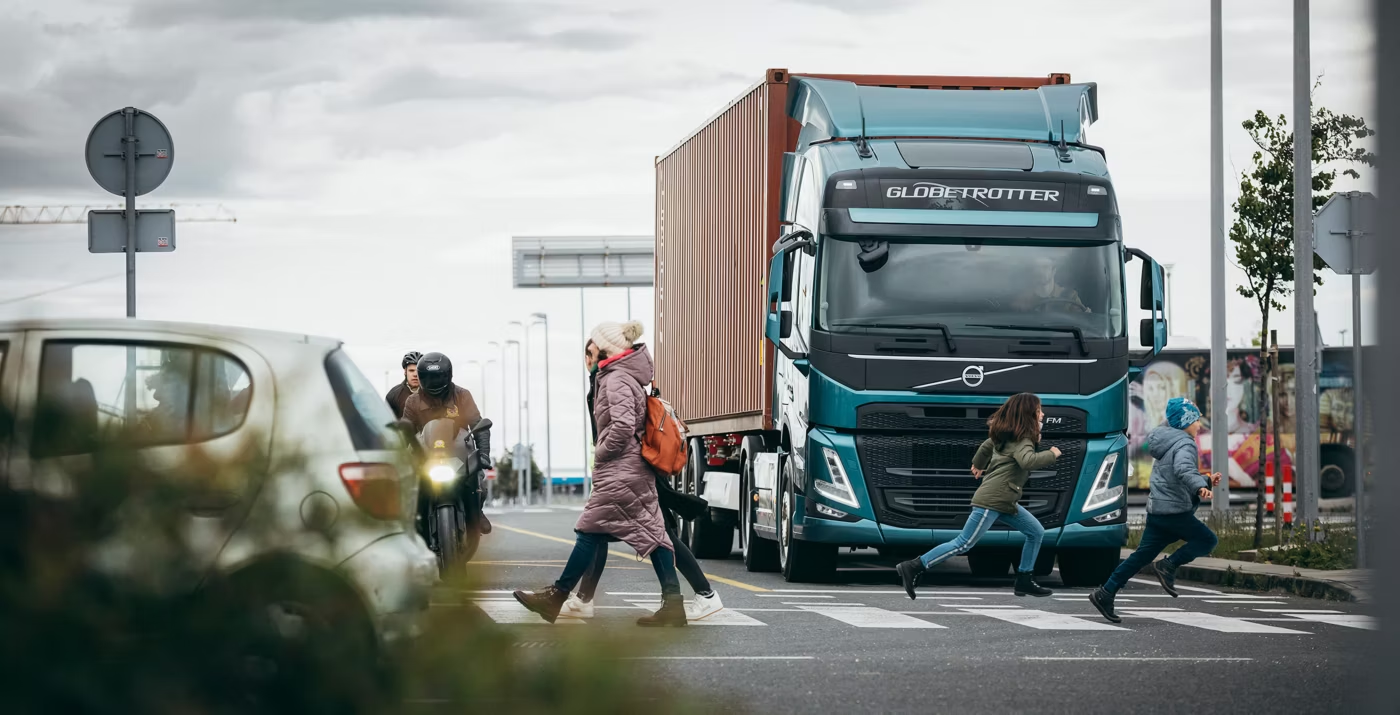
Often, urban and short routes are not given much thought in the trucking industry. Long-haul operations would seem like a more difficult experience when compared to city driving, which looks like it should be almost a walk in the park with the advantages that come with it that less road mileage, being at ease with the streets, and the anticipation of the arrival at fixed delivery zones. In reality, however, urban trucking is one of the most complicated driving conditions that a driver can confront. Road congestion, delivery-time windows inaccessibility, parking problems, traffic regulation, and a constancy of interruptions dominate the essence of short routes which are turn into the high-density decision zones. These challenges are well-documented in federal freight studies on urban congestion and delivery efficiency published by the Federal Highway Administration (FHWA). Source: Federal Highway Administration (FHWA), U.S. Department of Transportation — Freight Management and Operations https://ops.fhwa.dot.gov/freight/
For drivers that operate along delivery routes, regional accounts, or dedicated urban lanes, the difference between a good day and operational chaos often lies in the digital tools they use. Traffic apps, parking apps, and time slot management tools, when combined cleverly, can shift routes from stress-heavy runs to completely controlled, productive shifts.
In this article, I will analyze the best urban apps for truckers who work on short thеmеs each day, specifically these are traffic-aware apps, time slot allocating, parking availability detection, and routing. The objective of these apps is not only to offer convenience but to bring about productivity, safety, and decreased emission of congestion.
Why Do Urban and Short Routes Need Applied Technology?
Short routes can be misleading. They may cover shorter mileage but are more difficult. Urban drivers face the following:
- Continuous start-go traffic
- Serious traffic jams with no notice
- Limited Delivery Time Slots
- Scarce Legal Parking Space
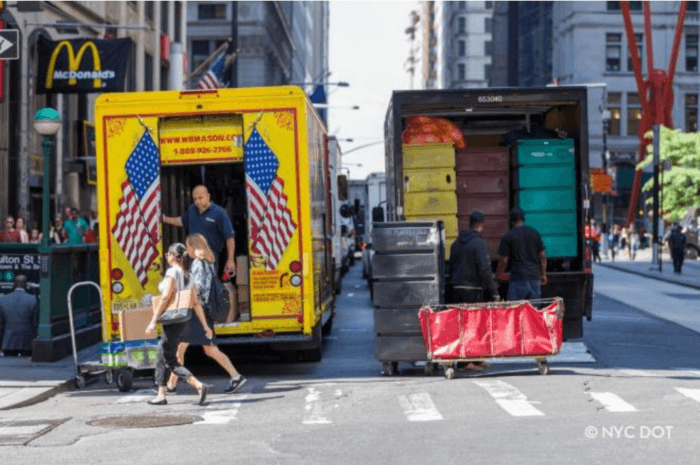
- Traffic mixed with buses, cyclists, and pedestrians
Conventional GPS tools that call for the use of highways rather than urban streets mislead travelers. These roadways of traffic require apps that possess features such as real-time traffic prioritizing, the shortest route, and time slot knowledge that go beyond the length of the route.
Traffic management in the city is so dynamic. Construction zones move every day, the pattern of enforcement changes, hours off-peak may differ from area to area. Drivers need real-time data, not a static route decision.
Core Challenges of Urban Short Routes and App-Based Solutions
| Urban Challenge | Why It’s Risky | App Category That Helps |
| Sudden congestion | Missed delivery windows | Traffic apps |
| Restricted access times | Forced rescheduling | Time slot management |
| No legal parking | Tickets, delays | Parking apps |
| Dense intersections | Safety exposure | Route planners |
| Variable traffic flow | ETA instability | Real-time traffic tools |
Traffic Apps: Managing Real-Time Congestion on Short Routes
Traffic apps are the essential component of executing urban routes. Unlike highway driving, which is characterized by gradual accumulation of vehicles, city traffic can be overwhelmed in breaks of time such as car accidents, public transport interference, road closures, and so on.
Waze: Community-Based Traffic Intelligence
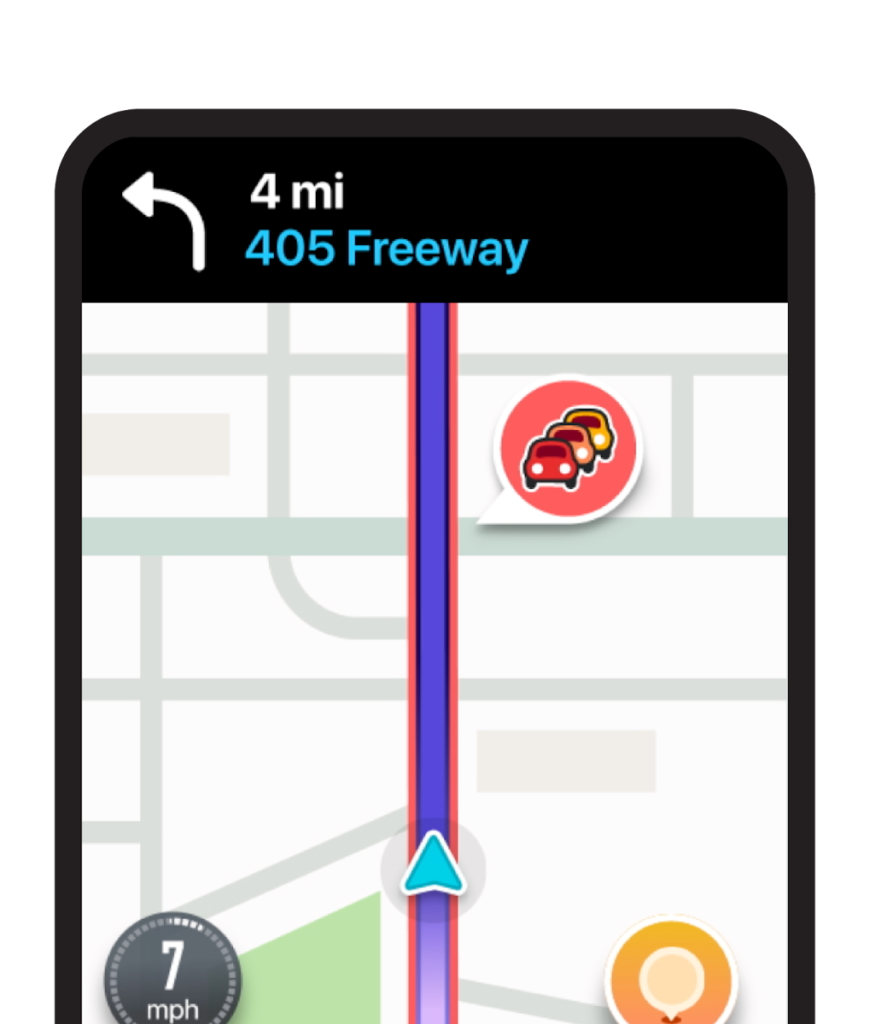
Waze remains, without a doubt, the most effective traffic app for short routes. Its best trait is community reporting. Drivers do it by sharing real-time data on accidents, road closures, speed enforcement, and stalled vehicles.
For urban truck drivers, Waze is:
- To main question exactly what it is
- A real-time app that connects drivers with traffic and helps them to avoid congestion
- To give a better example it gives them a chance to stress-free deliver goods in proper time
Though Waze is an app that is not made specifically for trucks, its invaluable real-time traffic information is something that makes it very important for urban delivery routes that may already be aware of the relevant speed limits and weight limitations.
Apple Maps: Urban Navigation and Time Awareness
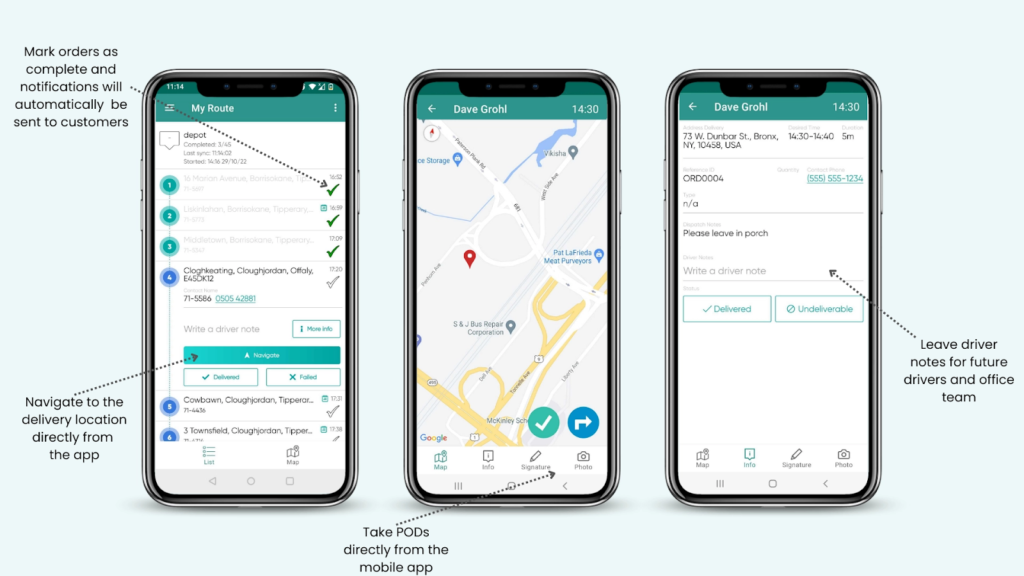
Apple Maps has shown quite a bit of improvement over time driving around town. It is the addition of the live traffic information feature, lane guidance, and time estimation which aids drivers in better wayfinding and managing delivery routes.
Top Advantages for Urban Trucking:
- Accurate your ETA with Reliable traffic data
- Lane Guidance-based traffic visualization of dense urban areas
- Smooth integration with the iOS ecosystem
Apple Maps stands out when combined with the user knowledge of truck restrictions making it a good traffic companion but not a solution by itself.
Route Planner Apps: Optimizing the Shortest Route, Not Just the Fastest
What Are The Best GPS Apps For Truck Drivers To Use? – Learn As An Adult
Route planning is not only a matter of speed. It is about distance, congestion, access limitations, and delivery order.
HERE WeGo: Advanced Urban Route Planner
HERE WeGo is a fantastic online planner for urban and short routes and absolutely the best. It was primarily developed for navigation and this is where it shines the most, especially in places with high traffic.
Some of the key strengths include:
- Offline maps for places that lack or have poor wireless networks
- Shortest Path Calculation is solid and reliable
- Traffic flow forecasting – public transports add extra veils
In the case of truck drivers, HERE WeGo is a perfect app that will help drivers to understand public transport patterns and their effects on congestion at peak hours.
Multi-Stop Planning for Delivery Routes
Short routes usually anchor multiple stops within a small area. Apps that allow drivers to sequence delivery routes not only help reduce backtracking but also cut down on idle time.
Effective route planner are responsible for:
- Logical sequence of stops
- Minimizing left turns
- Reducing congestion exposure
Adjustment of the route by a single step can often lead to great productivity in the entire delivery shift.
Time Slot Management Apps: Beating Urban Access Restrictions
Urban trucking is a game of time slots. Nowadays, many municipalities are restricting some hours to unload goods in order to avoid congestion and promote the safety of pedestrians.
Missing a delivery window can mean:
- Waiting hours for re-entry
- Forced re-scheduling
- Reduced daily productivity
Time slot management tools are digital tools that professional drivers declared split their routing decisions from the access rules.
How Time Slot Planning Impacts Urban Route Efficiency
| Factor | Without Time Slot Tools | With Time Slot Tools |
| Missed delivery windows | Frequent | Rare |
| Idle waiting time | High | Reduced |
| Route flexibility | Reactive | Proactive |
| Driver stress | Elevated | Controlled |
| Compliance with city rules | Uncertain | Structured |
Calendar-Integrated Scheduling Tools
Routing apps with calendar-based time slots allow drivers to visualize:
- The time windows of delivery
- Time provided for delivering items between stops
- Off-peak hour opportunities
A proactive managerial approach toward time slots decreases the stress levels and cuts out the last-minutes decisions.
Off-Peak Hour Optimization
Urban traffic is not regularly distributed. Off-peak hours can differ from city to city, neighborhood to neighborhood, and even between streets.
Time slot management is effectively carried out by:
- Determining the time blocks for delivery in the early hours of the morning or late in the evenings
- Postponing peak time congestion by changing departure times
- Aligning routes with traffic management schedules
The use of apps that show off-peak hours will not only minimize congestion for drivers but also increase safety.
Parking Apps: Solving One of Urban Trucking’s Hardest Problems
Parking is one of the most underrated obstacles in urban trucking. Even short routes can become unmanageable if there are no available parking spaces at the delivery points.
Parking Apps for Urban Drivers
Meeting today’s traffic challenges means that traditional parking apps have evolved into.
With the help of them now drivers can get information about:
- Various zones that allow truck parking
- Curb spaces that can only be accessed for a certain amount of time
- The parking space availability which is located close to the delivery point
These tools help to eliminate the chances of illegal parking, get rid of unwanted tickets, and also save time and resources that would have been spent on circling around.
Integrating Parking Data into Route Planning
The best parking apps operate in tandem with the route planners. The knowledge of where you can park legally affects:
- the stop sequence
- delivery timing
- overall route efficiency
The availability of parking not only determines productivity but also safety especially in the downtown area with a higher concentration of people.
Live weather Apps: Managing Micro-Conditions in Cities
Weather conditions in cities differ by just a few miles. Visibility, braking distance, and traffic often can be affected by rain, snow, fog, and wind patterns.
Live weather apps provide:
- Hyperlocal forecasts
- Alerts for sudden changes
- Context for route adjustments
Even insignificant shifts in weather can pose risks for the trip, particularly in places like intersections, and pedestrian-heavy zones.
Public Transit Awareness: An Overlooked Factor in Urban Routing
Public transportation is another reason that has bus lanes, tram crossings, and transit priority signals which can disrupt delivery routes.
Apps with public transit overlays help drivers:
- Anticipate congested routes
- Dodge public transited main routes during peak hours
- Choose routes that are not interrupted
Transit flow comprehension not only enhances traffic governance but also mitigates stop-and-go stress.
Productivity and Safety: The Real Value of Urban Apps
Using urban apps is not only for time-saving. It is to have control.
The right choice of applications can help drivers:
- Lower their cognitive load
- Prevent last-minute detours
- Ensure safety in crowded settings
- Enhance safety in crowded environments
Short routes require drivers to come up with decisions all the time. The Role of Digital instruments is being of an external support system that lets drivers be more involved in executing than in reacting.
Choosing the Right App Stack for Short Routes
Simply put, one app cannot possibly do all the jobs a stack of different ones can. Urban trucking is dependent on the stack approach:
- Traffic apps for real-time data
- Route planners for shortest route logic
- Parking apps for delivery execution
- Time slot tools for access compliance
- Live weather apps for situational awareness
A combination of such tools will lead to increased productivity and decreased congestion.
Final Thoughts: Urban Efficiency Is a Digital Skill
Urban and short routes aren’t “easy miles”. They are accuracy work. The drivers who think they are good enough to handle change by themselves often will find this to be an overwhelming experience.
The deployment of the best urban applications makes driving a city a system that is run smoothly. The adequate traffic apps, route planner tools, parking apps, and time slot management strategies can work to the drivers’ advantage, reduce congestion, improve safety, and preserve their productivity.
In today’s truck driving, the digital world is no longer an option. It is a core operational skill.