

Freighters typically look at regional routes as the safest road to truck driving. Familiarity with delivery routes, returning clients, and easily predicted geography is responsible for this thought pattern. Given that the daily operations predominantly become scheduled, these processes are seen as routine tasks. Despite this, the regional transport market often remains one of the most volatile in the sector. Early delivery deadlines, longer stopping times, and barely any spare time render the impact of even a single daily error severe.
Consistently utilizing a daily operational checklist is not just a procedure. It operates as a system that ensures effective, safe, and schedule adherence. On their own, without a proper list structured, regional drivers begin drifting away from regulated operations and steadily adopt a mindset of depending on their assumptions rather than their awareness of the current conditions to execute a tight plan stressing “nothing was wrong yesterday” instead of doing the active management.
This is where clearly defined operational procedures protect daily performance by removing guesswork from routine decisions.
In this article, you will find a useful everyday checklist that every driver can use which is based on the real pressures caused by the day-to-day transport operations, rather than the so-called best practices everybody should keep in mind.
Regional Trucking Five Pros And Cons That Matter
Why Regional Routes Demand More Discipline Than They Appear To
Regional transportation is a mix between local and lengthy shipping work but takes on the challenges from both sides. Unlike home daily trucking, regional routes are the ones that need ahead planning along with the overall route planning. Whereas OTR, on the other hand, regional operations leave almost no space for hanging delays to recover.
Daily checklist risks often arise from problems like stop delays resulting from cascading failures, route efficiencies created by planning driven by habit, different vehicle inspection standards, and stress-driven decision-making. They generally don’t erupt all of a sudden; they accumulate progressively until the “normal day” feels constantly pressed.
A properly maintained logistics checklist helps stabilize these weak points before they become part of the daily routine.
The consistency that a daily operational checklist provides for operational norms cannot be affected by the levels of driver experience, weather conditions, or even workload. Over time, this established structure will become the actual spine of a good regional logistics system.
Common Daily Checklist Risk Factors
- Stop delays resulting from cascading failures
- Route efficiencies created by planning driven by habit
- Different vehicle inspection standards
- Stress-driven decision-making
Morning Preparation: The First Control Point of Daily Operations
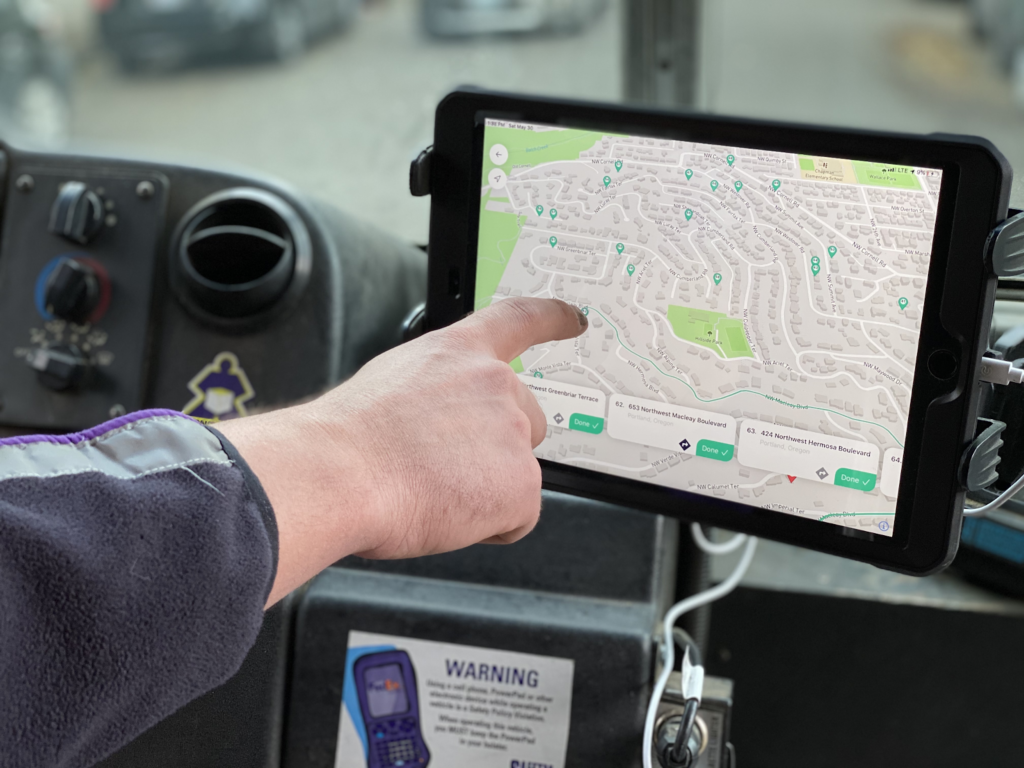
A typical operation-day really kicks off way before the departure. The first thing in the morning determines whether the driver will control or react to the day.
This phase comprises checking the route checklist, confirming the delivery priority order, and lining it up with the known constraints. Regional planning has to include congestion patterns that are time-dependent, construction zones that change weekly, and access rules that vary from one customer to another.
At this moment, the driver checklist acts as the anchor that replaces memory-based driving with structured awareness.
Although these roads are well-known, they can sometimes be unexpected; for instance, a driver takes an alternative route to avoid a traffic jam. That is why it is even more practical to address the issue of mental load at the very beginning of the day, which will lead to better operational efficiency later on.
Vehicle Inspection as an Operational Efficiency Tool
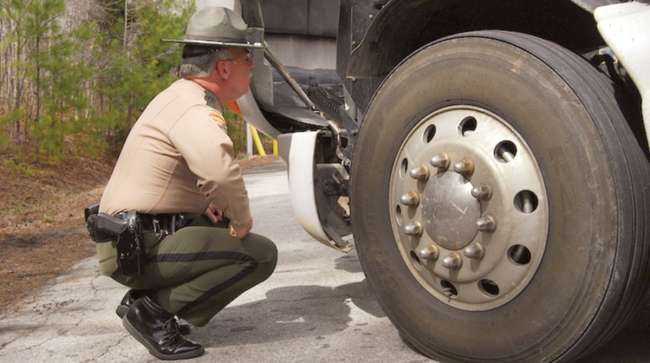
Vehicle inspection is usually oriented towards the legal aspect, being simply a means of compliance, but in the case of regional logistics, it also acts as an efficiency safeguard. Mechanical issues found way off route statistics that were not addressed before can really mess up the delivery sequencing of other trucks and result in bad route management.
According to industry-recognized daily vehicle inspection checklists, regular pre-trip and post-trip inspections are essential not only for safety compliance under FMCSA regulations but also to prevent costly breakdowns, optimize operational efficiency, and protect drivers and cargo. Heavy Vehicle Inspection
A complete vehicle inspection should include tires, brakes, steering components, fluid levels, trailer integrity, and load securement. The absence of thorough checks at the right time often means a down period at the worst possible moment, which is during a delivery run with multiple stops still outstanding.
When vehicle inspection is regarded as an operational standard rather than a safety formality the result is that both the schedule of delivery and driver focus are protected.
Daily Operational Focus Areas on Regional Routes
| Area | Description from the article |
| Daily operations | Predominantly scheduled routine tasks |
| Vehicle inspection | Efficiency safeguard beyond legal compliance |
| Route planning | Ahead planning with little recovery space |
| Checklist discipline | Protection from assumption-based driving |
| Operational consistency | Spine of a good regional logistics system |
Route Planning as a Dynamic Daily Task
On the regional route, the habit of default paths returns like an ever-present vice. Drivers often shift from awareness of current road conditions to habitual paths.
Effective route planning on a daily basis requires checking traffic forecasts based on the time of departure, deciding on how the weather will affect the delivery routes, and finding alternative paths for the bottlenecks. Route optimization tries to be more predictable than the shortest possible road.
A pre-planning checklist can help a driver be actively involved in managing the route instead of simply navigating, which is crucial for keeping the operational efficiency on the regional routes.
Trucking 101: Trip Planning & Daily Schedule
Common Daily Failures on Regional Routes
Most regional delays do not spring from big accidents but rather are caused by repeated small failures that are overlooked. They include early route checks being skipped, customers awaiting their goods longer than expected, and the traffic patterns of yesterday being taken for granted.
Other frequent failures include the schedules being over-compressed, missing early cues of traffic jams, and the delay of communication when things get out of control. These individual decisions are thought to be extra manageable; however, when taken collectively, they begin to undermine operational standards.
Meanwhile, a daily checklist serves as a much-underutilized management tool, bringing focus and smoothness to the process of handling these inefficiencies across regional logistics.
Typical Overlooked Failures Mentioned in the Article
- Early route checks being skipped
- Customers awaiting goods longer than expected
- Traffic patterns of yesterday being taken for granted
- Schedules being over-compressed
- Delay of communication when things get out of control
Load Verification and Delivery Sequencing Control
Load-linked mistakes are hardly ever obvious. They often unmask themselves later in problematic appointments, extended dwell time, or re-deliveries.
Operational procedures before leaving the premises should include confirmation of load distribution, verification of stop order, and a special handling instruction review. In regional routes that have multiple stops, the sequencing of the stops impacts the routing.
The readiness of the deliveries is cumulative. One missed detail at the start of the day can undermine the whole chain for the route.
Dispatch Communication as Part of Daily Operations
Dispatch coordination is often under-positioned, but in reality it is a central operation which integrates with the driver’s daily routine.
Prompt information about delays, route changes, and delivery constraints gives dispatch the tools necessary to manage a route instead of being reactive. The drivers who include communication checkpoints in their daily checklist are the ones who create less friction and prevent schedule compression later in the day.
Pro-active communication rather than corrective communication brings efficiency to operations.
En-Route Discipline: Protecting the Plan
With the driving beginning, the daily operations transform from organization to action. Discipline now becomes the key to operational efficiency.
Speed control aligned with the timetable, fuel management, and keeping to the planned routes are all factors that help protect the delivery schedule. Deviations should be strategic rather than emotional.
A daily checklist discipline keeps execution aligned with planning instead of impulse.
Stop Management and Delivery Execution
Regional routes contain multiple stops, and each of these stops has its own set of variables. Stop management is the area that is most likely to see operational discipline slip.
A safety checklist at a stop should include verifying load stability, proper parking practices, and awareness of surrounding traffic. Efficient execution at each stop prevents minor issues from becoming major setbacks.
Operational Pressure Points During the Day
| Phase | Pressure described in the article |
| Morning | Control vs reaction |
| En-route | Discipline and deviation control |
| Stops | Risk of slipping operational discipline |
| Time compression | Accumulating delays and reduced recovery margins |
| End of day | Need for review and optimization |
Time Compression and Fatigue on Regional Routes
Regional drivers are often exposed to time compression, which is the pressure caused by accumulating delays and reduced recovery margins. Unlike OTR, regional routes rarely allow a full reset.
Time compression leads to rushed decisions, reduced safety margins, and unnecessary stress. A daily checklist helps detect this early and adjust pace before fatigue takes control.
Mid-Day Adjustments and Route Management Decisions
No checklist fully prevents disruption. Traffic incidents, customer delays, and weather events remain inevitable. The difference lies in adjustment quality.
Smart route management involves re-sequencing stops, communicating early, and preserving remaining schedule integrity. Structured checklists support controlled adaptation instead of reactive troubleshooting.
Administrative Tasks as Hidden Daily Operations
Paperwork, digital logs, and compliance checks are part of daily tasks but are often treated as secondary. In regional logistics, administrative delays quietly consume operational bandwidth.
Including administrative steps in the daily checklist ensures steady documentation instead of rushed end-of-day corrections.
End-of-Day Review: Converting Experience into Optimization
End-of-day review is often neglected, yet it bridges execution and improvement.
Reviewing delays, noting vehicle concerns, and identifying route optimization opportunities transforms daily experience into long-term operational gains.
How Daily Routines Prevent Burnout
Burnout on regional routes rarely comes from mileage alone. It develops when drivers operate in constant reactive mode.
Structured routines reduce cognitive load by eliminating unnecessary decisions. A checklist creates predictability, supporting mental recovery and long-term performance.
Operational discipline is not restrictive — it is protective.

Final Thoughts: Discipline Is the Real Competitive Advantage
A daily operational checklist simplifies regional driving by reducing uncertainty. It transforms daily operations from reactive troubleshooting into controlled execution.
In regional transportation, success is rarely about extraordinary effort. It is built through disciplined repetition of ordinary daily tasks. A well-designed daily checklist turns routine into reliability — and reliability into long-term operational efficiency.