

Year one behind the wheel is not only about learning driving skills; it is also about forming habits, developing expectations, building resilience to stress, and deciding a career path. Many beginner truck drivers set their primary target for the first year, “gain as much experience as possible.” But they do not realize that their driving choice during entry-level trucking affects far more than mileage alone. For a first year truck driver, the balance between routine and uncertainty defines how manageable the transition into trucking industry jobs will be.
Dedicated truck driving and regional truck driving are often both suggested as alternatives to traditional over-the-road work. In reality, the dedicated vs regional difference becomes visible very quickly during the first year. This article examines dedicated vs regional trucking through the lens of less stress truck driving, logistics stability, and long-term driver stability rather than surface-level pay comparisons.

The Hurdle of Trucking: Acrocephalus Local vs Dedicated vs Regional vs Longhaul (OTR): Pros and Cons of Each (Hometime, Pay, Workload)
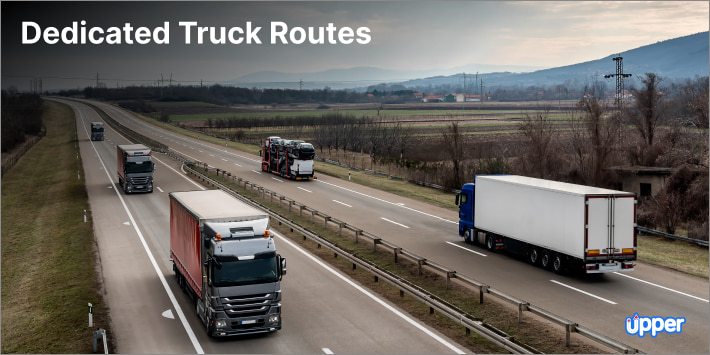
The life of a first-year truck driver is very different from the later stages of a trucking career. New drivers are just at the beginning of their journey, building confidence while learning how dispatch decisions influence daily outcomes. This phase explains why over the road vs regional or OTR vs dedicated comparisons feel very different to new drivers than to veterans.
During this period, stress rarely comes from miles alone.
Unfamiliar trucking routes, inconsistent schedules, and undefined expectations increase trucking career stress significantly. For many new driver options, structural predictability matters more than raw earning potential.
The Reality of Dedicated Truck Driving
Should I Be a Dedicated Truck Driver? Pros and Cons of Dedicated Freight
Dedicated driving is mainly where the driver is assigned to a customer or customers along a fixed route. This operating setup is ideal for entry-level truck driving as it allows for a controlled operating environment. Doing the same thing over and over again makes you more self-assured and stably helps you to endure difficult situations.
For many drivers, this is what staying on these routes full time feels like: dedicated routes create a sense of stable driving rather than temporary assignments.
For many first-year drivers, this level of predictability is what defines truly stable trucking jobs rather than short-term placements.
Driving a dedicated truck frequently resembles a structured mode of driving as opposed to forever making the road.
What Regional Truck Drivers Expect from Newcomers to Their Community
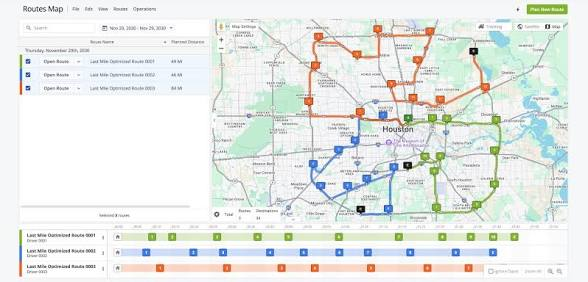
Local vs Regional Truck Driving
Regional trucking is that middle territory between local driving jobs and long-haul assignments. Drivers work in a specific area, usually return home once a week but have to deal with changing routes.
For a newcomer, regional truck driving calls for:
- rapid adjustment
- openness to the unexpected
Although home time trucking is generally preferred to OTR, the cognitive load for drivers during the first year may be more intensive.
Stress Comparison: Dedicated vs Regional for First-Year
The central most factor to consider when comparing less stress truck driver paths is predictability. Dedicated routes are the most certain way to navigate a logistic issue with fixed miles while paying stable. Regional routes are the most variable but offer more money at the end of the journey.
This is why many first-year drivers express that they are under more pressure on local missions than other routes.
Dedicated vs. Regional in the First Year (Stress & Stability)
| Criteria | Dedicated Truck Driving | Regional Truck Driving |
| Daily stress level | Lower due to repetition and routine | Moderate due to constant variation |
| Route familiarity | Same routes and customers | Routes vary within a region |
| Learning curve | Slower but controlled | Faster but mentally demanding |
| Schedule predictability | High | Medium |
| Exposure to unknown variables | Limited | Frequent |
| Fit for first-year drivers | Very strong | Depends on stress tolerance |
Income Stability vs Income Potential
Dedicated driver pay is in general a bit less than top regional drivers’ but it is more about consistency during the first year.
This consistency in dedicated driver pay often reduces financial stress during the early adjustment period.
Dedicated routes promote logistics stability through predictable miles and steady payments and deliver.
Regional positions, while often higher pay, introduce the volatility that first-year drivers can’t deal with yet.
A higher regional driver salary may look appealing, but fluctuating weekly income can increase pressure during the first year.
Home Time and Recovery Cycles
Home time trucking expectations differ significantly between these two models. Dedicated routes usually offer structured home time. Regional drivers often return home weekly, though schedules may fluctuate.
For first-year drivers, predictable recovery supports long haul stability later in the career.
Pay, Home Time, and Long-Term Stability Comparison
| Aspect | Dedicated Driver | Regional Driver |
| Dedicated driver pay | Stable and predictable | Can fluctuate |
| Regional driver salary | Usually capped | Higher potential, less stable |
| Home time | Fixed and reliable | Weekly, sometimes variable |
| Recovery quality | High due to routine | Depends on route intensity |
| Driver stability (first year) | High | Medium |
| Long haul stability outlook | Strong foundation | Faster transition to OTR |
Skill Development: Depth vs Breadth
Dedicated driving develops depth. Regional driving develops breadth. Both approaches build truck driver experience, but the sequence matters more than the destination.
For entry-level trucking, mastering fundamentals before expanding scope often reduces stress.
Dedicated vs Regional Compared to OTR
Compared to over the road vs regional or OTR vs dedicated roles, both options reduce extreme unpredictability. They act as transitional driving alternatives rather than long-term endpoints.
Dispatch Relationships and Driver Stability
Dispatch interaction plays a central role in driver stability:
- dedicated fleets usually offer clearer expectations
- regional operations move faster and require rapid adjustment
For first-year drivers, communication quality can outweigh route type.
Dedicated and Regional as First-Year Career Filters
During the first year, route type acts as a filter rather than a final destination:
- dedicated roles filter stress by limiting variables
- regional roles filter adaptability by increasing exposure
Understanding this helps new drivers frame their driving choice as a developmental step, not a permanent label within trucking industry jobs.
What Is the Most Stable Choice in the First Year?
If stability means predictable schedules, consistent income, and lower stress, dedicated truck driving often wins. If stability means faster learning and broader exposure, regional truck driving may fit better.The right option depends on how a driver processes uncertainty.
Choosing the Best Trucking Company for the First Year
Company structure often outweighs route type. The quality of training, support from dispatch, and the management of expectations are more important in defining success than just the labels.
For many drivers, identifying the best trucking company first year is less about route type and more about how well the company supports new drivers during their adjustment period.
The best trucking company fir for the first year of a driver involves aligning operational demands with driver development.
FAQ — Dedicated vs. Regional for First-Year Truck Drivers
1. Which option is better for a first year truck driver with no experience?
Dedicated routes usually offer a smoother entry with less daily stress.
2. Is regional truck driving too stressful for beginners?
Not always but it requires faster adaptation and higher stress tolerance.
3. How does home time compare?
Dedicated routes tend to offer more predictable home time trucking.
4. Does starting dedicated limit future career options?
No. Many drivers transition later with stronger fundamentals.
5. Can regional trucking pay more long term?
Yes, but income variability is higher during the first year.
6. Which option offers less stress in the first year?
Dedicated driving typically results in less stress truck driving conditions.
Final Thoughts: Stability Is a Strategic Choice

The first year is not about maximizing miles. It is about surviving the learning curve without burnout. Dedicated vs regional is not about superiority but about fit.
For many drivers, dedicated routes offer stability and lower stress. For others, regional trucking provides growth through challenge.
The best driving choice is the one that aligns with a driver’s tolerance for uncertainty, routine, and recovery.

Establishing a Strong First-Year Foundation for a Lasting Career: Closing the Perspective
The initiate year in trucking is often not the time people remember for specific miles or pay. No; instead, it is the way they felt-through being under the pressure of the work-feeling it reasonable or feeling overwhelmed how day-to-day their experience felt that they will remember. This is why drivers should see the choice between dedicated and regional routes as a setting the stage for the journey career which is beyond a short-term decision.
Drivers who start their careers in settings with stable, predictable routines regularly develop superior operational habits. This allows them to learn time, rest, and communication management, and find the way to spare personal energy more efficiently without interruption. Weaving the security net this way is not only a matter of making one the foundation strong but it is also of enabling the builder to step away from merely reacting to what the elements hurl and allow for a planned design. Eventually, good make decisions and trust the driver more.
Because they are in a position to be regional, drivers who opt for this position early are able to face more circumstances. Learning may be spontaneous, but it demands self-awareness on the part of the driver. The absence of a viable method for recovery and management of stress may turn diversity into exhaustion. Some truck drivers find it challenging yet inspiring. To others, this is the reason for their burnout in a short time.
The question is not which one of the two is better but rather which plan correlates with the attitude of a driver towards insecurity, stress, and work routines during the transitional phase. The first year is an adjustment which is not a race. It is a period of tuning in-physically, mentally, and professionally.
Drivers that treat their first year as a time to stabilize rather than maximize often enter their second year with clearer expectations and stronger control over their work-life balance. From that position, transitions-to regional, dedicated, or even OTR-become choices instead of reactions.
Over time, truck driving companies appreciate steady performance much more than temporary displays of higher intensity work. A well-thought-of first-year employment opportunity not only edges the student for any other chance in the future; it also provides acknowledgment of the driver’s talents at the right moment. Making a right choice during the first year is not just a matter of having job security; it is also a way to create future options—and this is often the benefit that is least recognized.