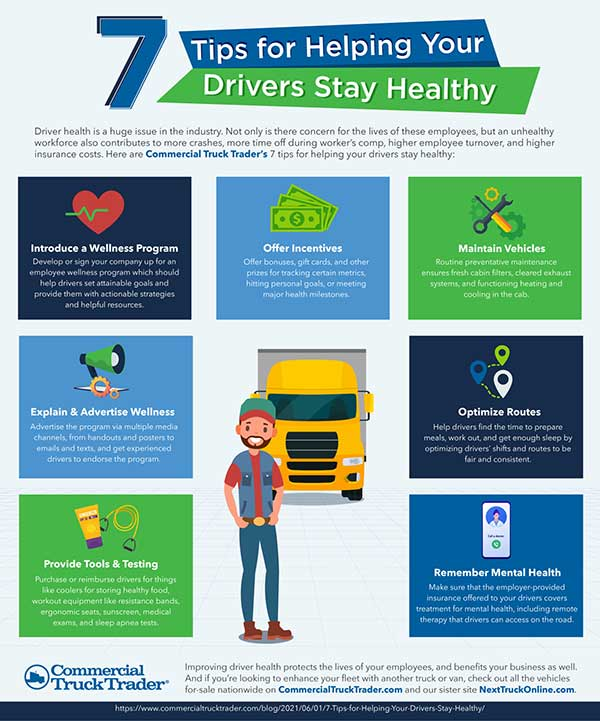
In the common consideration of truck drivers, short shifts are easier than long-haul runs. The paper states fewer miles, less time behind the wheel, and speedier turnaround, everything looks manageable. However, in real truck driving, the frequently challenging task of short shifts is to use more “energetic” than the long ones. This situation is created by frequent starts and stops, urban congestion, delivery windows, tight docks, filling out papers, and shifting concentration, which can be annoying and exhausting. Shifts accumulate this kind of fatigue silently, between finishing them rather than during them.
In this situation, recovery mode is not an option but a necessity. For drivers who work short shifts, the quick transition to recovery mode even for a short time is a factor not only in daily performance but also in their long-term resilience. Full rest days are not the only way to recover; it is the micro-routines that make recovery between short shifts possible: These are simple, dynamic, and repeatable actions that you can use to restore energy, clarity, and physical readiness without the need for long downtime.
In general, truck drivers do not think about energy recovery in terms of long outdoor rest periods. Instead, they focus on detailed and precise actions.
Why Short Shifts Use Energy Faster Than You Think
The nature of the short shift is to compress the workload into tight timeframes. Drivers experience the repeated processes of high concentration followed by the diminished focus for a resting period, as opposed to driving only one block continuously for a long time. Each of the transitions like starting the engine, maneuvering into a dock, concluding paperwork, and merging in traffic uses mental and physical resources.
The body does not distinguish between “short” and “long” work in terms of cognitive load. Instead, it responds to frequency of demand. Short shifts usually contain:
- Acceleration and braking
- Perpetual situational awareness
- Urban and regional traffic unpredictability
- Tight delivery schedules
- Reduced response windows
This pattern explains why workday energy can decline faster on short shifts than on long-haul runs, even when total driving hours seem reasonable.
The mentioned pattern basically means that a short workday can drain the energy quickly even if the hours spent driving are okay. In the absence of any kind of recuperation, drivers are bordering sem-fatigue state for several days on end.
Understanding Recovery Between Shifts
Recovery mode does not mean sleeping fully. It is a shift of the nervous system that is controlled to allow a partial restoration of energy, attention, and muscle readiness. The recovery mode in trucking usually refers to the duration of the breaks between short shifts.
The effective recovery mode is reliant on micro-routines; that is, the small interventions that slip into busy schedules. These routines are not just random pauses; they are designed ones that trigger the brain to recover and the body to regain energy.
Recovery mode works when:
- It is predictable
- It is short but intentional
- It does not overstimulate the system
- It is consistently repeated
According to a systematic review of research on truck driver fatigue management, comprehensive strategies that include structured rest periods and planned breaks have a significant impact on driver safety and performance – ResearchGate
Micro-Routines as an Energy Recovery Tool
Micro-routines are short repeatable recovery actions that last from a minute to fifteen minutes. They are utilized in truck driving during shift break, between loads, or after parking the vehicle.
In contrast to extended rest periods, micro-routines are beneficial in that they dispel fatigue accumulation instead of trying to eliminate it at a later time.
In truck driving, these quick routines are especially valuable because they fit naturally into tight schedules without disrupting operational flow.
The main micro-routine categories include:
- Mental reset routines
- Physical activation or release
- Sensory down-regulation
- Brief rest or power naps
Every category deals with a particular fatigue mechanism.
Micro-Routine Types and Their Primary Recovery Effect
| Micro-Routine Type | Main Recovery Target | When to Use |
| Mental reset routines | Cognitive load reduction | After dense traffic, paperwork, dispatch calls |
| Physical activation or release | Muscle tension and circulation | Between docks, after long sitting |
| Sensory down-regulation | Nervous system calming | Late-shift fatigue, overstimulation |
| Brief rest / power naps | Short-term alertness recovery | Mid-shift or between consecutive short shifts |
Mental Recovery: Clearing the Cognitive Load

Mental fatigue may precede some physical fatigue. Drivers report slower reaction times, irritability, and hesitancy in decision-making even when their bodies feel good.
Mental recovery micro-routines are designed to clear cognitive clutter.
These include for instance:
- Two to five minutes of silence without screen interaction
- Slow breathing cycles focused on exhale length
- Visual disengagement from occupied traffic and instruments
- Brief journaling or note-clearing
These routines help regain energy by reducing incidental decisions that have to be made all the time. In this way, short shifts mental recovery stops carryover fatigue across routes.
Physical Energy Micro-Routines Between Shifts
Short shifts hardly allow for full muscular rest. Throughout the day, the muscles of the body are partially contracted due to the activity that is being performed. Physical micro-routines are helpful in releasing muscle tightness and restoring blood flow.
The routines that you can use are:
- Gentle mobility movements for hips, neck, and shoulders
- Short walking breaks
- Light stretching of joints that are hurt in driving
- Isometric contractions with relaxation
These actions help restore energy in the muscles and do not add to the fatigue. They are particularly effective during the short rest between shifts.
Powers Naps and Quick-Relax Techniques

Power naps are among the best recovery tools if they are effectively implemented. Notably, in truck driving, a power nap involves controlled rest rather than deep sleep.
Respective guidelines:
- Ten to twenty minutes duration
- A quiet dark room
- No activity before or right after use
- Stand or sit to avoid deep sleep
Power naps are more effective when they are integrated into a short shift routine rather than being a reaction to fatigue. They result in getting back the energy without sleep inertia.
Regulated Hours of Service rules for truck drivers mandate mandatory rest breaks, as research demonstrates a direct link between driver fatigue and an increased risk of accidents – Wikipedia
Shift Breaks as Recovery Windows
Shift breaks are mistakenly viewed as logistical downtime instead of being a recovery effort. In fact, with every shift break a recovery mode trigger is possible.
When used intentionally, brief breaks become structured recovery moments rather than passive pauses in the schedule.
A shift break focused on recovery would instead incorporate:
- Low sensory input
- Intentional breathing
- Physical repositioning
- Mental disengaging from route planning
Even a five-minute break can highly improve your energy if it’s utilized effectively.
Short Shift Break vs Recovery-Oriented Break
| Aspect | Typical Shift Break | Recovery-Oriented Break |
| Purpose | Passing time | Energy restoration |
| Sensory input | Phone, noise, screens | Low stimulation |
| Body position | Static sitting | Repositioning or light movement |
| Mental state | Task-focused | Disengaged and calm |
| Recovery impact | Minimal | Noticeable energy regain |
Micro-Breaks During Short Shifts
During short shifts, micro breaks differ from traditional rests. They range from seconds to minutes and are done during work instead of between shifts.
Examples of micro breaks:
- Brief posture reset at stoplights
- Conscious jaw and shoulder release
- Two deep breathing cycles before docking
- Eye focus shift away from close objects
These micro breaks are more preventive than therapeutic. They can be especially useful in regional and last-mile operations.
Regaining Energy Without Stimulation
Many drivers rely on caffeine for a quick energy boost. Though it’s effective, caffeine doesn’t replace energy — it just covers fatigue. Recovery mode is about renewing the energies not stimulating them.
Micro-routines avert:
- Excessive screen exposure
- Loud audio
- Sugar spikes
- Emotional conversations
On the contrary, they preserve calmness and alertness. This difference is essential for fatigue management during short shifts.
In the Picture of Recovery: Creating a Short Shift Routine
Buffered at shifts recovery is more effective if it is routine-based. The short shift routine takes decision-making out of the equation regarding recovery.
A common routine might be as follows:
- Parking ritual
- Two-minute breathing
- Five minutes of mobility
- Hydration
- An optional Power nap
In this routine, a nervous system is trained to quickly recover thus the speed and efficiency of fast recovery are improved.
Office Micro-Routines for Dispatch and Paperwork Time
Office micro-routines help drivers manage mental fatigue during dispatch communication, paperwork, and administrative downtime without requiring full rest periods.
Truck driving also involves administrative tasks that are frequently in your cognitive load. Office micro-routines are efficient even during paperwork to recover energy.
Examples are:
- Standing instead of sitting
- Changing lighting conditions
- Brief eye rest
- Controlled breathing
These activities help in cutting down the accumulation of mental fatigue during non-driving tasks
Fatigue Management Across Consecutive Short Shifts
Fatigue management is a cumulative thing. Recovery mode has to be proactive, not reactively, used.
Drivers who transited as short shift operators benefit from:
- Consistent micro-routine timing
- Late in the shift, overstimulation is avoided
- Protecting recovery windows
- Managing energy as a disposable asset
Energy is weighed as a finite resource in short-shift schedules.
Mental vs. Physical Recovery: On a Balancing Act
Some drivers recover physically but remain mentally drained. Others become mentally sharp but become physically exhausted.
The effective recovery mode takes care of both systems. The micro-routines should be altered so that there is always a mix that provides mental recovery and physical energy restoration.
Long-term Gains In Micro-Recovery
Driver who use micro-routines shows:
- Energy during the workday significantly improves
- Concentration better is kept when working on late shifts
- Irritability is decreased
- Faster between switches recovery
- Safety margins are increased
Micro-routines guard against burnout risks yet over time they do error-free productivity.
Normal Slipups in Short Shift Recovery
Normal errors are:
- Dealing breaks as entertainment time
- Using stimulants to overdoing
- Antagonizing physical tension
- Running short shifts- skipping recovery due to the illusion of “short shifts
Recovery mode intent, not time
Truck-driving recovery mode should be treated more as a culture of professional discipline than a sign of a weakness. In the contemporary truck driving profession, energy management is just as crucial as route planning.
Micro-routines do not decrease productivity. They actually preserve it.
Final Thoughts: Energy Is a Skill
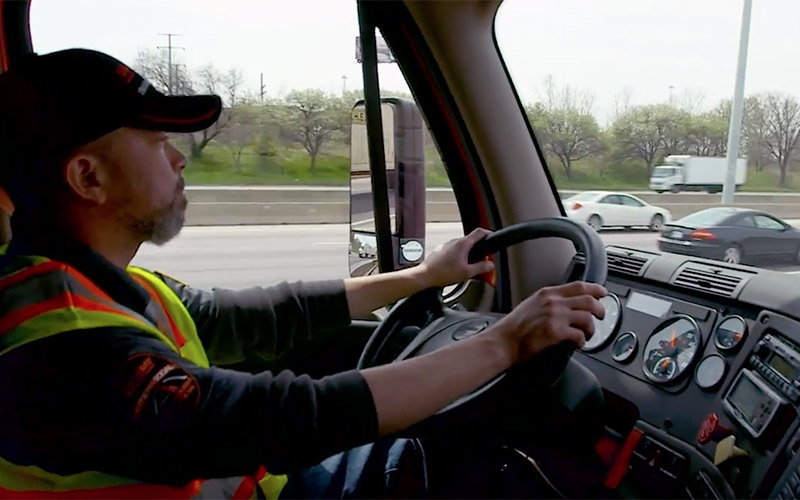
Recovery between short shifts is not about sleeping more- it is about recovering better. Micro-moves turn mere moments into concrete recovery tools.
In truck driving, especially under short shifts, energy recovery determines consistency, safety, and career longevity. Drivers who mastered recovery mode not only run the schedules but they do so with clarity and control.
Energy is not something that you hope to achieve at the end of the day.
It is something that you manage one micro-routine at a time – not till then.